
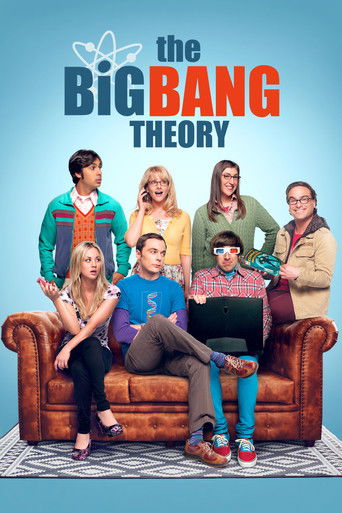
 The Big Bang Theory2007 · 7.9
NinjaVideo
189 titles in four channels, each with its cast, its rating and a Watch now button.
TV Shows
Victorious · The IT Crowd · That '70s Show · Mr. Bean · iCarly · The Nanny · Gilmore Girls


Movies
Little Miss Sunshine · The Emperor's New Groove · Hachi: A Dog's Tale · Mamma Mia! · Notting Hill · Liar Liar · The Chronicles of Narnia: The Voyage of the Dawn Treader


Cartoons
Cinderella · The Polar Express · The Jungle Book · One Hundred and One Dalmatians · Bolt · Cloudy with a Chance of Meatballs · Space Jam

Documentaries
Stop Making Sense · Buena Vista Social Club · The Last Waltz · Katy Perry: Part of Me · American Movie · Marley · Moonage Daydream






The NinjaVideo guide
NinjaVideo: movies, TV shows, cartoons and documentaries, from Finding Nemo, Friends and The West Wing to Toy Story, Adventure Time, Senna and Stop Making Sense
A good evening's viewing rarely stays in one lane. A household might begin with a cartoon for the youngest, move on to an episode of a comedy everyone knows by heart, and finish, once the house is quiet, with a documentary about a racing driver or a band. NinjaVideo is arranged for evenings like that. It is a guide in four channels, TV shows, movies, cartoons and documentaries, with a spotlight that picks the best of all four.
The catalogue holds 189 titles made between 1942 and 2025: sixty-four movies, forty-eight TV shows, thirty-seven cartoons and forty documentaries. The series among them come to 386 seasons and 8,608 episodes, and the features to about 209 hours. Every title was screened by hand for a family audience, which means comedies, warm dramas, animated classics and documentaries about music, sport, nature and remarkable people.
This guide tours the four channels, then the lists that cut across them, and explains how the site works. The quick version is in How to watch with NinjaVideo.
How NinjaVideo works
The home page has three columns on a black ground. At the left is the channel list, each entry marked with a small double arrow and followed by its count: TV shows, movies, cartoons, documentaries, then comedy, family, music, science fiction with adventure, and the spotlight. In the centre are four grey panels, one for each channel, with a line of titles in yellow and a row of posters. At the right is The Ninja Spotlight, a numbered list of the ten highest-rated titles in the catalogue.
A title page gives the year, the rating, the genres, the leading cast, the director or creator and a summary. A movie or documentary shows its running time, and a series lists its seasons and episodes with their dates. Beside the Watch now button is a country selector; choose a country, press the button, and the title opens on JustWatch, which lists the subscription, rental, purchase and free services that carry it there. NinjaVideo is a guide, and the watching happens on those official services.
Four routes lead to a title, described in Finding a title: the channels, the search field, the lists page and the alphabetical index. The list feature is called My Stash; it keeps titles to watch in the browser on the device in use, and the My Stash page explains how to add to it, how to mark an episode and how to save the list as a file.
The TV shows channel
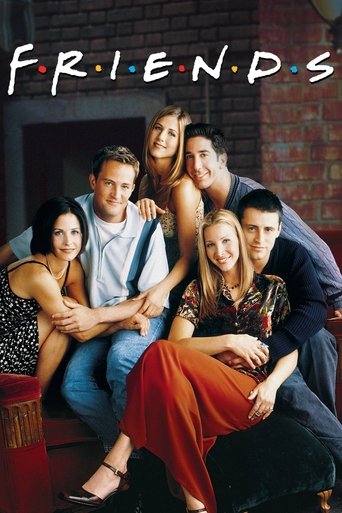
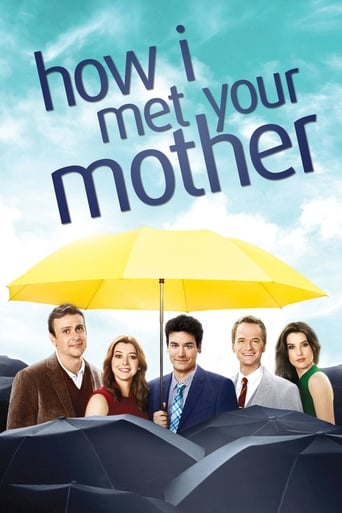
Forty-eight series make up the first channel, and the TV guide begins with the sitcoms that half the world can quote. Friends ran for ten seasons from 1994 and follows six people in their twenties and thirties in Manhattan, two apartments across a hallway and a coffee house with an orange sofa. It is rated 8.4, and its secret is simple: the six are funnier together than apart, and the audience comes to feel like the seventh. How I Met Your Mother borrows the shape and adds a father telling his children a very long story, and The Big Bang Theory, with 279 episodes, gives the sofa to four scientists and the neighbour across the hall.
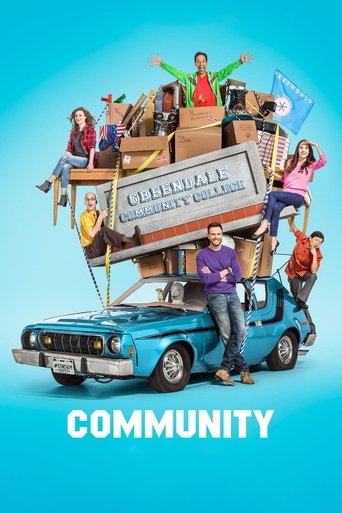
Community is set in a study group at a community college and delights in pulling television apart and putting it back together, with episodes staged as a paintball epic, a claymation Christmas and a documentary. Modern Family follows three related households in the mock-documentary style. That '70s Show spends its days in a Wisconsin basement, The Fresh Prince of Bel-Air moves a teenager from Philadelphia into his uncle's mansion, and The Middle, Home Improvement, Everybody Loves Raymond and Last Man Standing cover the American family from every angle.
British comedy contributes three short, brilliant series. The IT Crowd hides its two technicians and their manager in the basement of a London corporation. Spaced follows two strangers who pose as a couple to rent a flat, in fourteen episodes dense with jokes about films. Mr. Bean, with only fourteen episodes, made Rowan Atkinson's nearly silent creation famous everywhere a television could be switched on.
The dramas on the channel are of a high order. The West Wing, created by Aaron Sorkin and rated 8.3, follows the senior staff of a fictional American president through seven seasons of walking, talking and trying to do some good; its idealism and its speed set a standard for television writing. ER, which began in 1994 and ran for 331 episodes, plunged viewers into a Chicago emergency department with a camera that rarely stood still. Friday Night Lights is set in a small Texas town where the high-school football team carries everyone's hopes, and it is as much about marriage and community as about sport.
Downton Abbey opens in 1912 with news that the heir to a great Yorkshire estate has been lost at sea, and follows the family upstairs and the servants downstairs through the changes of the following years. Pride and Prejudice, the BBC adaptation of 1995 in six episodes, remains for many the definitive version of the novel, with Jennifer Ehle and Colin Firth; it is rated 8.2. Gilmore Girls is set in a small Connecticut town where a mother and daughter, sixteen years apart in age, talk faster than anyone on television.
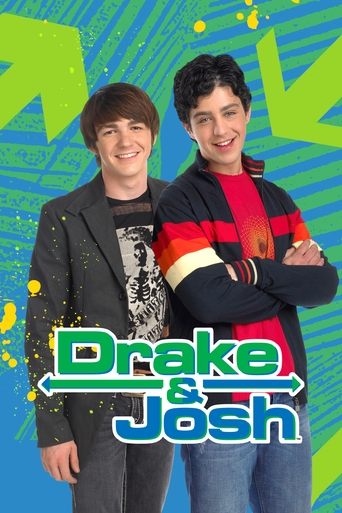
The channel also carries series for younger viewers that have aged into classics: Drake & Josh, rated 8.4, about two very different stepbrothers; iCarly, Victorious, Hannah Montana, Lizzie McGuire and That's So Raven; the Australian H2O: Just Add Water, in which three friends turn into mermaids on contact with water; and Boy Meets World, which followed its hero from the age of eleven to his wedding.
The movies channel
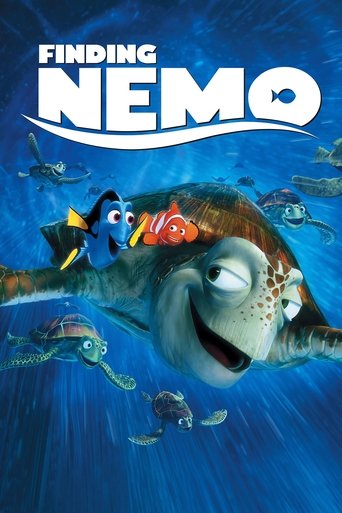
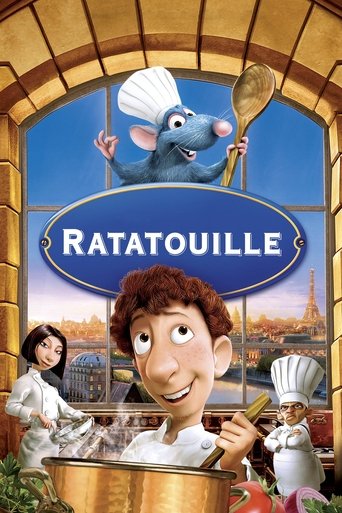
Sixty-four movies make up the second channel, and the movies guide starts with the family favourites. Finding Nemo sends a nervous clownfish across the ocean to find his son, with a forgetful blue companion, a trio of sharks who are trying to change their diet and a current full of sea turtles; it is one of the most loved films of its century. Ratatouille gives a rat with a refined palate a place in a great Paris kitchen and ends with one of the finest scenes ever written about what it means to be moved by food. The Emperor's New Groove turns a vain young ruler into a llama and hands him to the kindest villager in the empire.
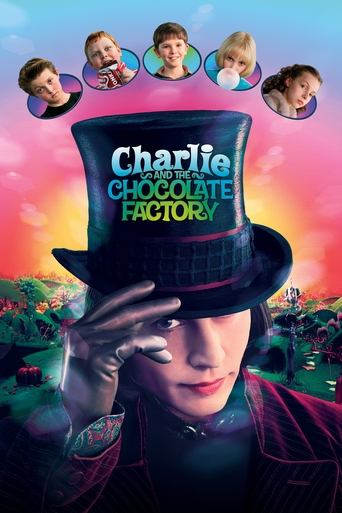
Live-action family films include Charlie and the Chocolate Factory, Tim Burton's visit to the most secret factory in the world; Elf, in which a man raised at the North Pole travels to New York to meet his father; Jumanji, with its board game that floods a house; and Stuart Little 2, Flubber and Doctor Dolittle. Hachi: A Dog's Tale and Marley & Me are the two great dog films of the period, and both should be approached with a handkerchief.
The channel is strong in romance. Notting Hill introduces a London bookseller to a film star. You've Got Mail lets the owners of two rival bookshops fall in love by electronic mail while quarrelling in person. The Holiday exchanges an English cottage for a California mansion over Christmas. Before Sunrise and Before Sunset, made nine years apart with the same two actors, follow a conversation begun on a train to Vienna and resumed in a Paris bookshop; they are among the most admired love stories in modern film.
Comedy runs from the broad to the gentle. Liar Liar obliges a lawyer to tell the truth for a day. Little Miss Sunshine sends a family across the desert in a yellow van to a children's pageant. My Big Fat Greek Wedding welcomes a quiet schoolteacher into a very large family, and About a Boy teaches a carefree bachelor to care. Mr. Bean's Holiday and Bean carry the silent troublemaker to the south of France and to Los Angeles.
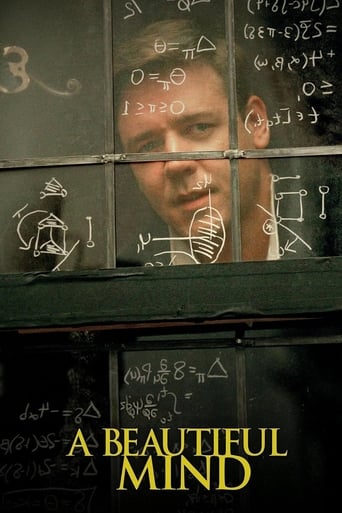
The dramas are led by A Beautiful Mind, the story of a mathematician's long struggle and late recognition, and The Social Network, about the founding of a famous website. Ray follows a great musician from Florida to the concert halls of the world, I Am Sam a devoted father, Pay It Forward a schoolboy's idea for improving the world, and August Rush a child who hears music everywhere. For younger audiences there are the three films of High School Musical, Camp Rock, A Cinderella Story and 17 Again.
The cartoons channel
Thirty-seven titles make up the third channel, twenty-one features and sixteen series, and the cartoons guide runs from 1942 to 2010. The features are a small history of animation. Bambi, the oldest title in the whole catalogue, follows a fawn through the seasons of his first years in a forest painted in watercolour. Cinderella, Peter Pan, One Hundred and One Dalmatians and The Jungle Book carry the hand-drawn tradition through the 1950s and 1960s.
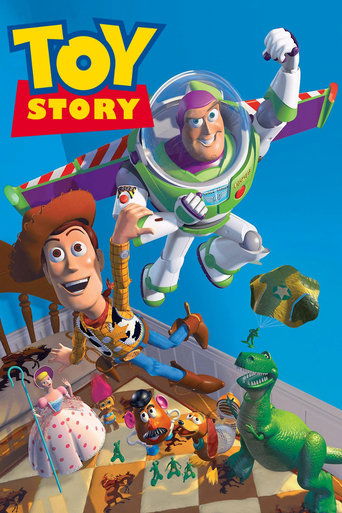
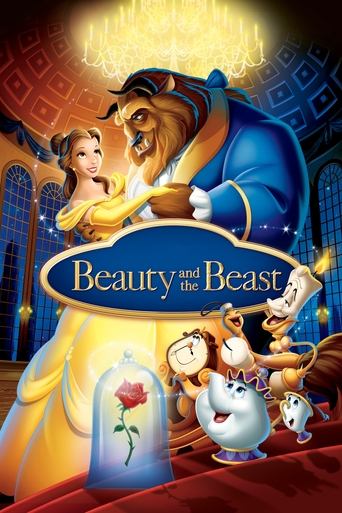
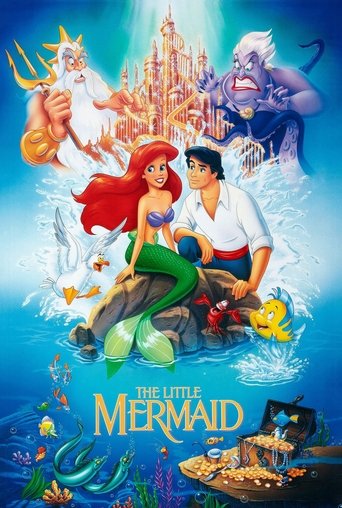
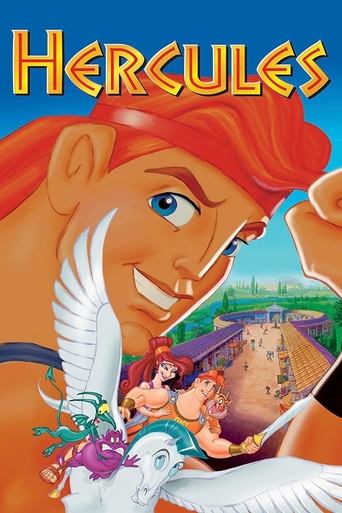
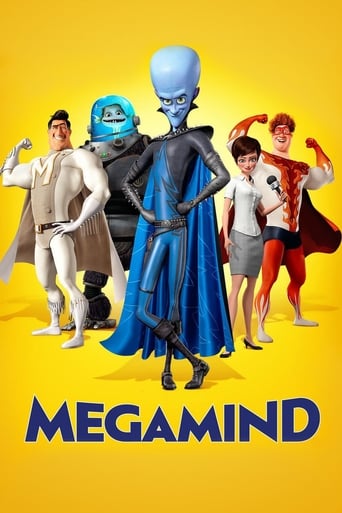
The revival that began in 1989 is represented by The Little Mermaid and Beauty and the Beast, musicals in the manner of the stage, and by Pocahontas, Hercules and Tarzan. Toy Story, in 1995, was the first feature made entirely by computer and remains one of the best written. Later entries include Bolt, The Princess and the Frog, Megamind and Cloudy with a Chance of Meatballs, in which a young inventor makes food fall from the sky. Space Jam puts a basketball champion on a team of cartoon characters, and Anastasia sends a lost princess to Paris.
The series are where the channel's ratings peak. Regular Show, at 8.6, is the highest-rated title on NinjaVideo: a blue jay and a raccoon work as groundskeepers in a park, and their efforts to dodge chores lead to the edge of the universe. Adventure Time, at 8.5, follows a boy and a magical dog through a candy-coloured land with a long memory. Star Wars: The Clone Wars, also 8.5, fills in three years of a famous saga across 133 episodes.
SpongeBob SquarePants, on the air since 1999 and counting 689 episodes, is the longest series in the catalogue. Phineas and Ferb builds something impossible every day of the summer holidays. Courage the Cowardly Dog, The Powerpuff Girls, The Grim Adventures of Billy and Mandy and The Fairly OddParents recall a great period of cable cartoons, and the heroes of X-Men, Spider-Man, Danny Phantom, Ben 10 and ThunderCats supply action for older children.
The documentaries channel
Forty feature documentaries make up the fourth channel, and the documentaries guide sorts them into sport, music, and nature with courage. Senna, directed by Asif Kapadia, tells the life of the Brazilian racing driver entirely through film shot at the time, with voices heard over the pictures and the camera always on the track. It is as tense as any thriller and is rated 8.1. The same director made Diego Maradona from five hundred hours of private footage of the footballer's years in Naples. Pumping Iron, from 1977, introduced a young Austrian bodybuilder to the world.
Music is the channel's richest vein. Stop Making Sense, filmed by Jonathan Demme over three nights in 1984 and rated 8.3, begins with one man, a guitar and a tape player on a bare stage and adds a musician with every song until the band is complete. Many consider it the best concert film ever made. The Last Waltz, directed by Martin Scorsese, records the farewell concert of a celebrated group in 1976, with a guest list of legends. Buena Vista Social Club follows a guitarist to Havana, where he gathers a group of veteran Cuban musicians, some in their eighties, for one more recording and a night at a famous New York hall.
Portraits of musicians fill a long shelf: Marley, an authorised life of the reggae singer; Moonage Daydream, a kaleidoscope of sound and image built from a rock star's own archive; Supersonic, about two brothers from Manchester and their band; Beastie Boys Story, told on stage by its surviving members; and Let It Be, the 1970 film of a famous group at work in the studio and on a rooftop. It Might Get Loud puts three guitarists of three generations in one room, Sound City visits a scruffy California studio where great records were made, and 20 Feet from Stardom, an Academy Award winner, turns the camera on the backing singers.
The underdogs are just as memorable. Anvil! The Story of Anvil follows two friends from Toronto who have kept their heavy-metal band going for thirty years on hope. American Movie spends two years with a determined amateur filmmaker in Wisconsin. Best Worst Movie looks up the cast of a film famous for its faults and finds them proud of it, and Electric Boogaloo: The Wild, Untold Story of Cannon Films recounts the rise of a studio that made a hundred films a year.
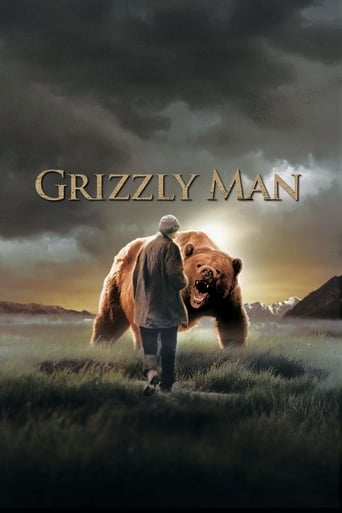
Nature and courage complete the channel. Fire of Love is the story of two French scientists, husband and wife, who spent their lives filming volcanoes from closer than anyone before them. The Alpinist follows a young Canadian who climbs alone and prefers to go unnoticed. The Deepest Breath descends with freedivers, Fantastic Fungi reveals the kingdom beneath the forest floor in time-lapse, and Koyaanisqatsi, from 1983, sets wordless images of deserts and cities to the music of Philip Glass. Grizzly Man, by Werner Herzog, considers a man who lived among bears.
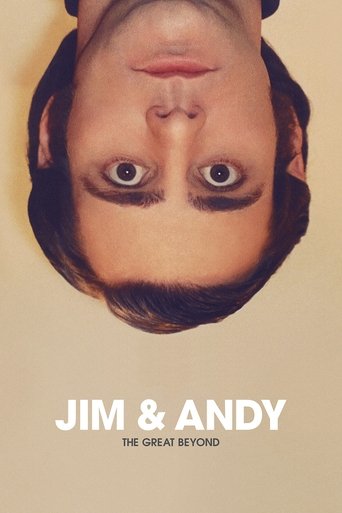
A final group concerns remarkable lives: Super/Man: The Christopher Reeve Story, Robin Williams: Come Inside My Mind, Jim & Andy: The Great Beyond, Sly, For the Love of Spock, made by an actor's son, and Stories We Tell, in which a filmmaker asks her own family to recount its history and receives several versions. Three Identical Strangers begins with a student who arrives at college to find that everyone already knows him.
Comedy across the channels
Ninety-nine titles are comedies, more than half the catalogue, and the comedy guide follows the form across all four channels. On television it means a room and a group: a flat, a basement, a study table. In the cinema it means a premise and a journey. In animation it can mean anything at all, from a llama's change of heart to two stepbrothers who build a roller coaster before lunch.
Some of the best comedy on the site is British or from further south. Flight of the Conchords follows two folk musicians from New Zealand trying to make their name in New York, with a song in every episode and a manager who works at the consulate. The technicians in the basement and the pretend couple in the flat show how much can be done in six episodes a year. Among American series, Freaks and Geeks, which lasted eighteen episodes, and Dinosaurs, a puppet family in the Stone Age, are treasures.
Drama
Forty-seven titles are dramas, and the drama guide groups them by setting. Three series are set in institutions and share a creator's love of rapid, idealistic talk: the presidential staff, the cable newsroom of The Newsroom, and, from another hand, the emergency department in Chicago. Legal dramas with a comic streak are represented by Boston Legal and Ally McBeal, and medical ones by Grey's Anatomy, which with 461 episodes is the longest live-action series in the catalogue, and its companion Private Practice.
Family and community carry the rest: the great house in Yorkshire, the small towns of Connecticut, Texas and Alabama, the last of these in Hart of Dixie, where a New York doctor inherits a rural practice. Ugly Betty sends a bright young woman from Queens into the offices of a fashion magazine. The science-fiction series Kyle XY, Eureka, Warehouse 13 and Sanctuary mix mystery with humour.
Romance
Thirty titles are romances, and the romance guide points first to the pair of films built entirely from conversation. Their two leads meet at twenty-three and again at thirty-two, and the second film runs for eighty minutes of real time as an afternoon slips away. Chance is the engine of Serendipity, in which a glove, a book and a banknote are left to decide a couple's future, and of the house exchange and the rival bookshops.
Weddings supply the comedies: 27 Dresses, Bride Wars, Runaway Bride, My Best Friend's Wedding and the Greek family's celebration. Mamma Mia! adds songs and an island. On television, the longest courtships belong to the six friends in Manhattan and to the father telling his story, and the most elegant to Elizabeth Bennet and Mr Darcy.
Family
Seventy-two titles suit all ages, and the family guide suggests using the channels in turn. From the movies channel come the ocean, the kitchen, the chocolate factory and the elf. From the cartoons channel come the hand-drawn classics, each well under an hour and a half, and series with episodes of eleven or twenty-two minutes that suit a short sitting. From the TV channel come the comedies made for children that parents find they enjoy too.
Documentaries can be family viewing as well. Fantastic Fungi fascinates children who like to know how things grow, and the concert films work for any age that enjoys music. A household that tries one title from each channel in a week will have a fair picture of the whole catalogue.
The golden years of children's television
A good part of the TV shows channel comes from a single remarkable decade. Between about 2001 and 2012 the children's cable channels produced live-action comedies at a great rate, filmed before audiences like the sitcoms their viewers' parents watched, and several became phenomena. Lizzie McGuire showed a thirteen-year-old's thoughts through a cartoon version of herself. That's So Raven gave its heroine glimpses of the future that she always misread. Hannah Montana imagined a schoolgirl with a secret life as a pop star, and its lead actress became one.
The other major children's channel answered with Drake & Josh, whose two stepbrothers, one cool and one anxious, are tormented by a little sister of genius, and with iCarly, about three friends who run a web show from an attic, a premise that looked ahead to the way a generation would entertain itself. Victorious moved the formula to a school for performers. The Suite Life of Zack & Cody set twins loose in a grand hotel, and Good Luck Charlie framed each episode as a video diary for a baby sister.
These series were made quickly and cheerfully, and their casts grew up on screen. Viewers who were ten when they began are now adults, and return to them with the affection earlier generations feel for older sitcoms. They are also, usefully, shows that a family can put on at any time with confidence.
How a sitcom is made
It adds to the pleasure of the TV channel to know how its comedies were filmed. The traditional method uses several cameras and a live audience. The cast rehearses for four days and performs the episode on the fifth, like a short play, and the laughter heard is that of real people in the studio. The six friends, the Wisconsin basement, the family with the tool-loving father and the nanny from Queens were all made this way. The form rewards big performances and jokes that land on a beat.
The newer method uses a single camera and resembles filmmaking. The studio audience and the recorded laughter are gone, scenes can move anywhere, and the humour can be quieter or stranger. The study group, the three related families and the Indiana household belong to this school, as do the British comedies. Both methods have their merits; each suits a kind of joke, and the catalogue offers fine examples of both.
Drama has its own grammar. The emergency department pioneered long takes that followed doctors down corridors in one unbroken shot. The presidential drama made a signature of two people walking briskly through offices while talking policy. The Texas football series was filmed with handheld cameras and little rehearsal, which is why it feels overheard. Once noticed, these choices are part of the enjoyment.
How a cartoon is made
The cartoons channel covers three ways of working. The oldest is drawing by hand: thousands of pencil drawings, traced in ink and painted on clear sheets, photographed one at a time against a painted background. Every feature on the channel from 1942 to 1999 was made this way or by its later computer-assisted form, and the method gives a fawn or a mermaid a line that seems alive.
The second way is computer animation, which began with toys because plastic surfaces were the easiest to render and has since learned fur, water and hair. The third is the simplified television style, in which flat colour and bold outline allow a small team to produce an episode every week. The best television animators turned those limits into a look, angular, graphic and instantly recognisable, and several series on the channel are admired by designers as much as by children.
Voices matter as much as drawings. A cartoon performance is recorded first, and the animators work to the actor's timing. Some of the voices on the channel belong to film stars, and many more to specialists who can be heard in half a dozen series, changing age and species from one to the next.
How a documentary is made
The documentaries channel shows at least four approaches. The archive film is assembled from footage that already exists; the racing driver's story and the footballer's are told this way, and their makers spent years in vaults. The observational film follows its subjects as events unfold, with the crew saying as little as possible, as in the portrait of two women in a decaying mansion in Grey Gardens or the two years with the Wisconsin filmmaker.
The interview film builds its story from people remembering, often supported by re-creation; the account of the brothers reunited at nineteen works this way and unfolds like a mystery. The essay film, finally, is led by the director's own voice and curiosity. Stutz is an actor's conversation with his therapist about the tools that helped him, and the wordless journey from desert to city is an essay made only of images and music.
Concert films are a case apart. Their makers must decide where to stand, how much of the audience to show and whether to interrupt the music. The best on the channel keep the cameras on the performers and trust the songs.
When channels overlap
Several subjects appear in more than one form. The movies channel has a drama about a blind pianist who invented a new kind of music, and the documentaries channel has portraits of other musicians made from the real recordings; watching one of each shows what acting can add and what only the record can give. The drama about a mathematician sits beside documentaries about scientists and climbers, and the comedy about a chef beside a film about where food comes from.
Fiction and fact can also share a mood. The family of puppets in the Stone Age and the documentary about fungi are both, in their odd ways, about the natural world. The series about a small Texas town and the film about an amateur director in Wisconsin are both portraits of people who refuse to give up on a dream. Browsing by mood across channels is often more rewarding than staying inside one.
Familiar names
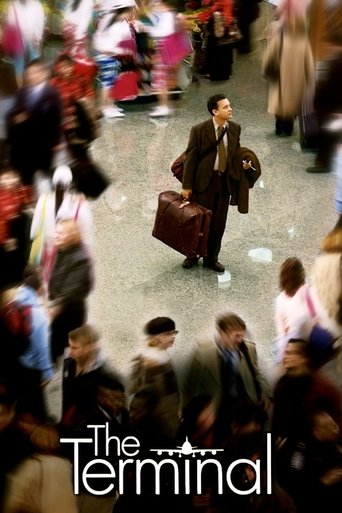
Following a person through the catalogue is another way to explore. Robin Williams appears in a family film about a board game, another about a flying green substance, and a documentary that remembers him. Tom Hanks voices a toy cowboy, runs a bookshop chain and waits in an airport. Meg Ryan, Julia Roberts and Hugh Grant lead the romances. Rowan Atkinson is in two films and a series as the same wordless character.
Behind the camera, one writer created both the presidential drama and the cable newsroom and wrote the film about the website. The director of the racing documentary also made the football one. A single animation studio is responsible for the toys, the fish and the rat, and another, much older, for the fawn, the glass slipper and the boy who stayed young forever in Peter Pan. The search field accepts any of these names.
Where to begin in each channel
For a first visit, one title from each channel gives the flavour of the whole. On the TV channel, start with the pilot of the Manhattan comedy, which introduces all six friends in twenty-two minutes. On the movies channel, the ocean adventure is the surest choice for a mixed audience. On the cartoons channel, try two episodes of the series about the boy and his dog, which run eleven minutes each. On the documentaries channel, the concert on the bare stage will convert anyone who thinks documentaries are homework.
A second round might take the six-part costume drama, the first of the two conversation films, the hand-drawn tale of the fawn and the story of the two volcano scientists. After that the lists take over, and the spotlight in the right-hand column is always there for an evening when a decision is hard to reach.
British titles
Britain is well represented across the channels. Television sends the great house in Yorkshire, the six-part Austen, the young wizard at Camelot, the basement technicians, the flat-sharing pair and the silent man with the small car. The movies channel adds the London bookseller, the bachelor who befriends a schoolboy, and the two films that carry the silent man abroad. The documentaries channel contributes the two archive films about sportsmen, the Manchester brothers, a year with an Australian singer in Brighton and the farewell of a Liverpool group.
British series are shorter than American ones, usually six or eight episodes a year, and are often written by one or two people. That makes them easy to finish and gives them a distinct voice. A viewer who enjoys one will usually enjoy the others, and the search field will gather them by country.
Places on screen
The catalogue travels widely. New York is home to the six friends, the rival bookshops, the elf's father and the folk duo from the far side of the world. Chicago has its emergency department, Seattle its surgeons, Boston its lawyers and Washington its president. Small towns appear in Connecticut, Texas, Alabama, Indiana and Wisconsin, each with a diner or a football field at its centre.
Abroad, the films visit Paris twice, once in a kitchen and once on foot, Vienna by night, a Greek island, a Yorkshire estate and the south of France. The documentaries go further: to Havana, Naples and Pompeii, to the summit of a Patagonian spire, to the rim of a volcano and to the floor of the sea. The cartoons, of course, go anywhere, from a pineapple under the Pacific to the edge of a distant galaxy.
Work in four channels
Work is a subject every channel shares. Television comedy loves a workplace: the basement office, the hospital, the law firm, the fashion magazine. The movies channel has a chef, a wedding planner, a man who lives in airports for a living in Up in the Air, and a mathematician. The cartoons channel has a fry cook of boundless enthusiasm and two park groundskeepers of very little.
The documentaries show work as it really is. A band rehearses in a studio, a climber prepares for months, two scientists pack their cameras for one more eruption, and a director in Wisconsin edits his film at night after a day's labour. Seen together, the four channels offer a generous picture of what people do all day and why they care about doing it well.
Through the year
Several titles belong to a season. December has the elf in New York, the toy hunt of Jingle All the Way, the house exchange and the Christmas episodes of the long-running comedies, which are easy to find from the dated episode lists. February suits the romances, and summer the school-holiday cartoon in which every day brings a new invention.
Autumn is the natural time to begin a long series, as the television calendar itself once did. A household might choose one drama and one comedy in September and follow them at two episodes a week; by spring both will be old friends. My Stash will keep the place in each.
Making a habit of it
The channel list invites a simple routine that some visitors enjoy: a different channel for each kind of evening. Weeknights, when time is short, go to the TV channel and its half-hour comedies. Friday belongs to a movie. Saturday morning, by long tradition, is for cartoons. Sunday evening suits a documentary, something to think about before the week begins.
The routine is only a suggestion, yet it shows how the four channels complement one another. Between them they cover every length from eleven minutes to several hundred hours, every tone from slapstick to reflection, and every age in a household. The spotlight sits beside them all, ready with ten sure choices for the evening when the routine breaks down.
Music
Thirty-five titles are filed under music, and the music guide shows the three forms side by side. The concert film records a performance: a band building itself song by song, a farewell show with famous friends, and, in Pink Floyd: Live at Pompeii, a group playing to an empty Roman amphitheatre in 1972. The portrait explains an artist through archive and interview. The musical tells a story in songs, whether on a Greek island, in a school gymnasium or under the sea.
Animation is the home of the film musical, and the cartoons channel holds some of the best scores ever written for the screen. Television contributes Victorious, set in a performing-arts school, and the two folk singers from New Zealand. Katy Perry: Part of Me follows a pop star through a year of touring, and 20,000 Days on Earth spends an invented day with an Australian songwriter.
Science fiction and adventure
Fifty-eight titles look beyond the everyday, and the science fiction guide starts with Merlin, a BBC series in which the wizard is a young servant at Camelot who must hide his gifts while protecting a prince his own age. Across five series the two grow from bickering boys into the figures of legend. Eureka is a town in the American north-west populated by geniuses, and Warehouse 13 a vast store of curious objects guarded by two agents.
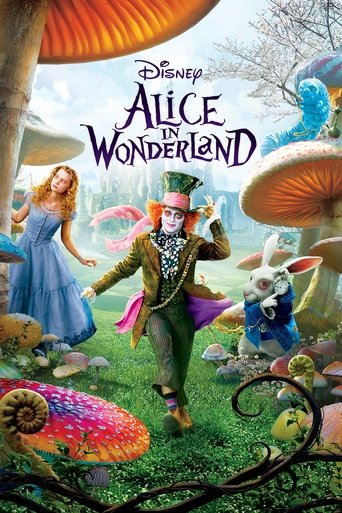
The movies supply The Golden Compass, The Chronicles of Narnia: The Voyage of the Dawn Treader, Inkheart, Alice in Wonderland and Journey to the Center of the Earth, and the cartoons supply a galaxy far away and a land of talking candy. The adventure need be only as large as a sitting room, as the board game proves.
Three periods
The catalogue is filed in three periods, set out in Three periods. Fifty-seven titles date from before 2000. They include the hand-drawn features, the documentaries of the 1970s and 1980s and the great network series of the 1990s. Eighty-seven come from the 2000s, the decade of computer animation, of the children's cable channels and of the romantic comedy. Forty-five have appeared since 2010, most of them documentaries and animated series.
The spread reflects how each form developed. Animation is the oldest and reaches back eighty years. Television comedy is concentrated between 1990 and 2012. The documentary, long a specialist taste, found a wide audience only recently, which is why so many of the best are new.
The Ninja Spotlight
Twenty-nine titles are rated 8.0 or higher by at least three hundred voters, and the spotlight guide lists them. Animated series take the first three places. Two live-action comedies follow at 8.4, and a group stands at 8.3: the presidential drama, the boy who grew up on screen, two animated heroes and the concert film that builds a band on a bare stage. The right-hand column of the home page shows the first ten.
It is worth noticing which kinds of title rise. Series tend to outscore films, because their admirers have spent years with them. Animated series do especially well, since they are often discovered in childhood and defended for life. A documentary with a high score, on the other hand, has usually earned it from viewers who came with few expectations and left converted.
Mixing the channels
The four channels are meant to be mixed, and some combinations work especially well. A cartoon feature followed by a documentary about the natural world makes a good Saturday afternoon. An episode of a classroom comedy before a film about a mathematician gives an evening a theme. A concert film is the right ending for a day that began with a musical. The channel list on the home page keeps all four a single press apart.
Pairs across channels can be surprisingly close. Ratatouille and Food, Inc. both ask where a meal comes from. Space Jam and the Naples football film are both about sporting greatness, in very different keys. Toy Story and For the Love of Spock are each, in their way, about a character who belongs to everyone. The search field helps to find such links, since it reads summaries as well as titles.
Long, short and in between
Length varies more here than in a catalogue of films alone. The shortest features are the animated classics, several of them under eighty minutes. Most movies and documentaries run between ninety minutes and two hours. Series range from six episodes, in the case of the BBC classic, to nearly seven hundred.
That range is useful. A viewer with twenty minutes can watch one episode of a cartoon or a sitcom. A viewer with ninety can finish a documentary. A viewer with a winter ahead can start a long drama from its first episode and mark the place each night. The episode counts appear on every series page, and the running time on every film page.
Choosing by age
For the youngest, the cartoons channel is the place to begin, with the hand-drawn features and the gentler series. From about eight, the children's comedies on the TV channel and the family films open up. From twelve, the teen comedies, the adventure series and the more reflective animated shows suit well. Older teenagers and adults have the dramas, the romances and the whole documentaries channel.
Many titles cross those lines. The ocean adventure, the Manhattan friends and the concert film on the bare stage can each hold a room of mixed ages, which is the best recommendation a guide can give.
How a title page is laid out
Each title page follows one pattern, whichever channel it belongs to. The poster stands at the left with the name and the year beside it. A row of tags shows the channel and the genres. The public score and its vote count come next, then the length: minutes for a feature, seasons and episodes for a series. The summary outlines the premise and leaves the rest to be watched. The people involved are named below, and pressing a name shows their other work in the catalogue. A series continues with its seasons and dated episodes. The country selector and the Watch now button are kept near the top of the page on every size of screen.
Questions about NinjaVideo
Questions
What is NinjaVideo?
NinjaVideo is a guide to 189 titles in four channels: movies, TV shows, cartoons and documentaries. Each has its cast, a summary, a rating and a Watch now button.
How do I watch a title?
Open its page, choose your country beside the Watch now button and press it. JustWatch then lists the services that carry the title in that country.
How many titles are in each channel?
There are sixty-four movies, forty-eight TV shows, thirty-seven cartoons and forty documentaries.
Which titles are rated highest?
Regular Show leads at 8.6, followed by Adventure Time and Star Wars: The Clone Wars at 8.5. Friends stands at 8.4.
What is The Ninja Spotlight?
It is the list of titles rated 8.0 or higher. The first ten appear in the right-hand column of the home page.
Is the catalogue suitable for families?
Every title was screened by hand for a family audience. Seventy-two titles carry the Family label.
Which series has the most episodes?
SpongeBob SquarePants has 689 episodes. Among live-action series, Grey's Anatomy has 461 and ER has 331.
Which is the oldest title?
Bambi, from 1942. The newest documentary is dated 2025.
What is My Stash?
My Stash is your list of titles to watch. It is kept in the browser on your device, and the list page can save it as a file.
Where does the information come from?
Posters, ratings, casts and episode data are supplied by TMDB. The guide on this page and the fifteen help pages are written for NinjaVideo.
